

What Are Dark Circles Under The Eyes?
Dark circles under eyes refer to discoloration of the skin. The color of the dark patches may be brown, blue, purple, or gray based on skin color and the reason behind dark circles. However, under-eye dark circles are not considered a medical issue. However, if there is pigmentation or any change around the eye area, then it indicates some sort of allergy, irritation, or even dehydration. It is necessary to know the root cause of the dark circles to determine the dark circle treatment.
Dark circles are also due to:
- Puffy eyes
- Fine lines
- Hollow under-eyes
- Thick skin
- Skin tone variation
- Tired-looking eyes
What Causes Dark Circles Under Eyes?
Dark circles under eyes don’t have any particular cause. However, some factors can be held responsible for dark circles are:
1. Heredity
- Hereditary factors can be one of the main causes of dark circles as some people can develop dark circles because of their genes.
- If people regularly see dark circles in their families, then they may also develop them.
- There are some people whose under eye skin is naturally very thin or pigmented. Such people develop dark circles regardless of whether they sleep well or not.
2. Insomnia
- People who lack proper sleep or suffer from insomnia become pale. As a result, their under eye blood vessels get more visible.
- Even though proper sleep might help people get rid of dark circles, there might be some other causes of dark circles which need some medical assistance.
3. Aging
- As one grows older, the skin may tend to reduce collagen and lose elasticity. Thin skin around the eyes could be made even more visible by the visibility of blood vessels.
- Loss of volume due to aging may also cause shadowing around the eye, thereby making the area appear darker. Wrinkles may also play a role in causing tired looking eyes.
4. Sunlight
- Sunlight increases melanin production, and therefore, it makes the process of pigmentation worse.
- Dark complexioned people may suffer from issues related to excessive pigmentation, which may result in dark circles around their eyes. Protection against sunlight is needed in order to prevent pigmentation.
5. Dehydration
- Dehydration causes the skin to become dry and look dull.
- Dehydration results in the under-eye area being sunken.
6. Allergies
- Dark circles can be caused by allergies through irritation, congestion, and rubbing of the eyes.
- Eye rubbing can contribute to worsening of the condition as a result of irritation of the sensitive skin of the eyes.
7. Eye Strain
- Looking at computers, phones, and other electronic gadgets for long periods can cause eye strain.
- Although it does not directly lead to the formation of pigmentation, tired eyes make dark circles more visible.
Types of Dark Circles
There are several types of dark circles depending on the cause that has brought about the condition. This helps in determining the appropriate treatment to administer.
Type 1: Pigmented Dark Circles
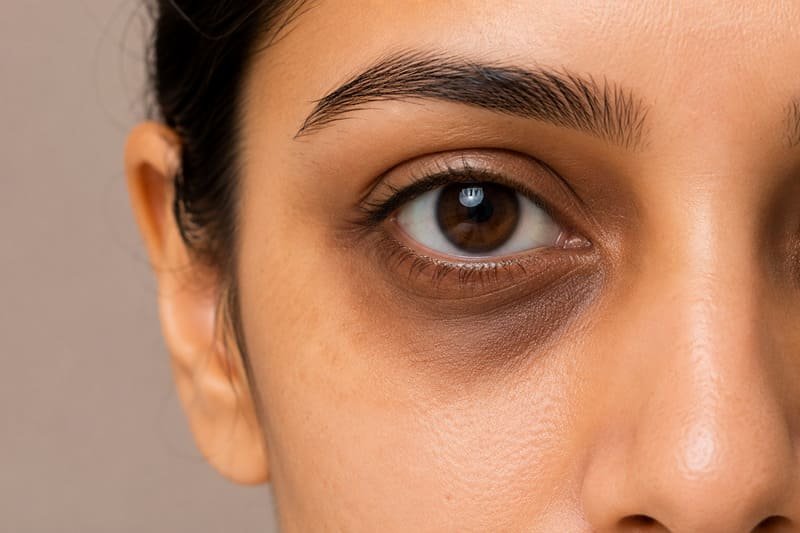
These dark circles are characterized by dark brown skin color as a result of increased melanin levels.
Type 2: Vascular Dark Circles
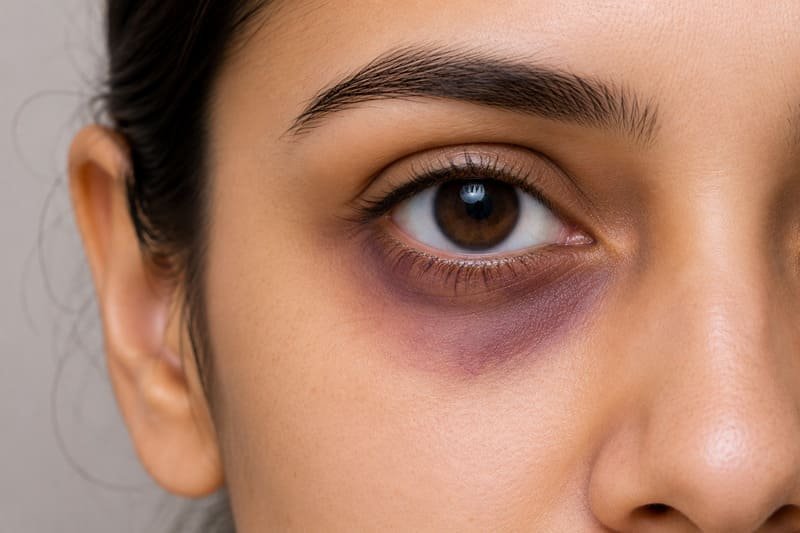
These dark circles may appear bluish, purplish or reddish due to visible blood vessels under the thin skin.
Type 3: Structural Dark Circles
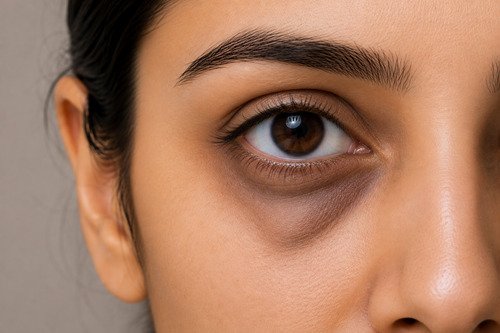
This is caused by structural hollows and shadows of various parts of the face near the eye region.
Type 4: Combinational Dark Circles
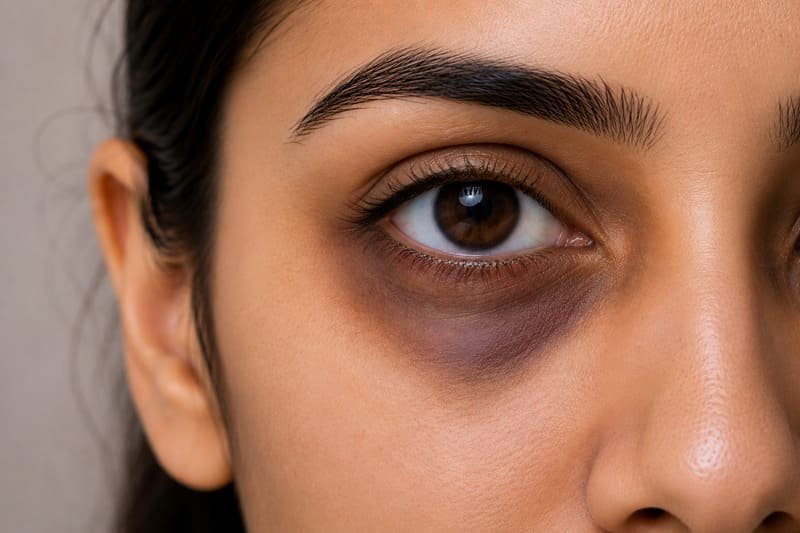
Most people experience all kinds of dark circles, which include pigmentation, visibility of blood vessels, and structures. Dermatologists can identify dark circles around the eye region.
Best Treatment Options For Dark Circles
Depending on the reasons for dark circles and the condition of the under-eye skin, there are different treatment options that could be considered.
1. Skin Boosters

In case of under-eye concerns like dehydration, wrinkles and general skin conditions, your dermatologist might prescribe skin boosters treatment. This treatment would allow adding extra hydration to your skin and making it smoother and healthier. Your dermatologist will determine whether it suits your case.
2. Chemical Peels

Certain selected chemical peels could improve the skin pigmentation and toning problems.
However, remember that the skin near the eyes is very delicate, and these peels could be used only when prescribed by your dermatologist.
3. Laser Therapy

There is a possibility to consider laser therapy in case of certain kinds of under-eye pigmentation. Based on your pigmentation and skin type, dermatologists will choose adequate laser therapy for you. It is crucial to tailor the therapy because it might worsen the problem otherwise.
4. Microneedling

Microneedling produces minor trauma to the skin that triggers the natural skin repair process and stimulates collagen production. It is applicable to some patients with some kinds of problems like fine lines and particular types of pigmentation.
5. Dermal Fillers

In case when under-eye hollows and shadows create dark circles, there is a possibility to use dermal fillers. The procedure will help fill the gaps and make the dark circles less noticeable. It should not be performed unless done by a properly trained person because the under-eye area is sensitive.
6. Personalized Skincare

In case when dark circles are caused by pigmentation, they will be prescribed with proper ingredients for the delicate skin of the eye area.
Depending on skin type, there could be brighteners and antioxidants in the ingredient list. It is necessary to carefully choose products since some ingredients might irritate the sensitive skin.
Tips For Home Treatment To Prevent Dark Circles
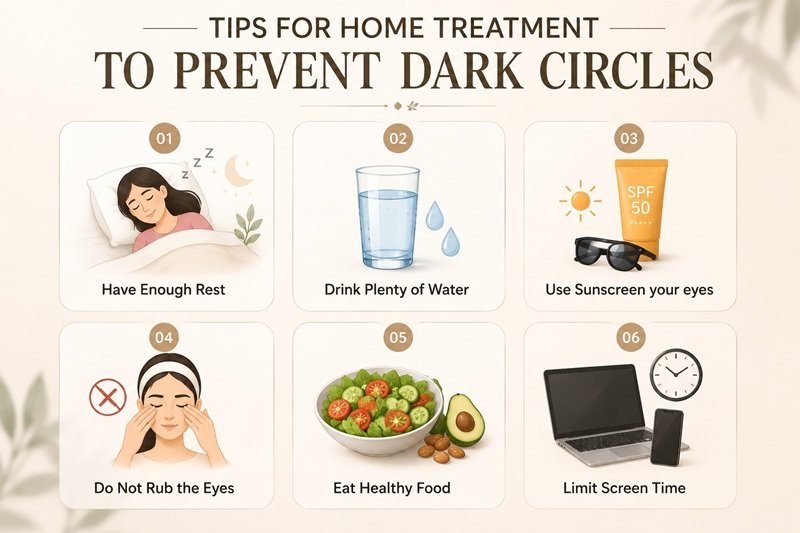
Not all people should undergo treatment from specialists. There are certain actions that one can undertake at home in order not to suffer from dark circles anymore.
Tip #1 Have Enough Rest – Sleep for 7–9 hours every day.
Tip #2 Drink Plenty of Water – Drink enough water daily for keeping the skin hydrated.
Tip #3 Use Sunscreen – Apply sunscreen to the face and follow the instructions of application near your eyes. Also, sunglasses will protect the skin from UV.
Tip #4 Do Not Rub the Eyes – There is a risk of irritating the skin and making dark circles worse if you rub it too much.
Tip #5 Eat Healthy Food – It is necessary to consume vegetables, fruits, nuts, seeds, and other foods rich in nutrients.
Tip #6 Limit Screen Time – Take rests from working at the computer or watching TV.
When To Visit A Professional Dermatologist?
You need to see an expert dermatologist in case of dark circles below the eyes when:
- They occur even after having enough sleep and skin care regimen.
- They are seen becoming darker as time passes.
- They are accompanied with swelling and inflammation.
- There is an itching sensation and allergic reactions due to them.
- They affect your self-confidence.
- Self-care does not help in their improvement.
An expert dermatologist will check whether your dark circles are due to pigmentation, increased vascularity, reduced volume, or skin thinning and suggest you the right treatment or prescription.
At La Clinique, we realize that dark circles may appear due to various causes and need specific solutions for their correction. In the first place, our skin care specialists will establish the condition of your skin and offer you appropriate treatment.
These methods may include procedures such as skin boosters, chemical peelings, laser treatment, microneedling, skin care, etc.
Contact The Best Dermatologist In Hyderabad Today!
Frequently Asked Questions
1. Not Getting Enough Sleep Causes Dark Circles?
Yes, lack of sleep can result in skin that is dull and pale, causing dark circles to appear more visible. But then again, other causes include genetics, pigmentation, aging, among others.
2. Are Dark Circles Permanent?
No, there is nothing that one can do to permanently get rid of dark circles. There is always going to be some kind of procedure that needs to be done regularly to address the problem.
3. What Is the Best Way to Treat Dark Circles?
Dark circles are best treated based on their cause. Effective options include adequate sleep, sunscreen, topical creams, chemical peels, lasers, fillers, and professional dermatological treatments for pigmentation or hollowness.
4. Does Drinking Sufficient Amount of Water Help with Dark Circles?
Water consumption will help improve the appearance of the skin. But then again, water alone cannot help with getting rid of dark circles which are caused by genetics, hyperpigmentation, aging, and the facial structure.
5. Does Sunscreen Help in Avoiding Dark Circles?
Consistent application of sunscreen helps to reduce the effect of UV rays on the skin and dark circles.