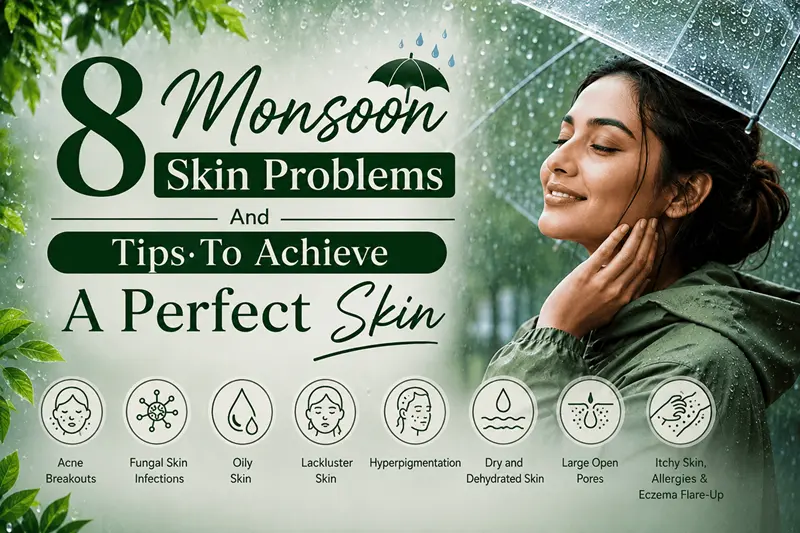
The monsoon season brings cooler weather and welcome relief from the summer heat, but it can also lead to a variety of monsoon skin problems. Increased humidity, excessive sweating, damp conditions, pollution, and the growth of bacteria and fungi can trigger common skin concerns such as acne breakouts, fungal skin infections, oily skin, dull skin, pigmentation, dry skin, allergies, and itchy skin.
If left untreated, these monsoon skin issues can affect your skin’s overall health and appearance. Following a proper monsoon skincare routine, maintaining good hygiene, and choosing the right skin treatments can help protect your skin throughout the rainy season.
Why Does The Monsoon Affect Your Skin?
The monsoon season brings a significant rise in humidity, creating an environment where sweat, excess oil (sebum), dirt, and pollution accumulate on the skin. These conditions can clog pores and promote the growth of bacteria and fungi, leading to various monsoon skin problems. People with oily, acne-prone, or sensitive skin are especially more likely to experience skin issues during this season.
Common skin problems during the monsoon season include:
- Excess oil production
- Clogged or blocked pores
- Acne and pimple breakouts
- Fungal skin infections
- Itchy skin and rashes
- Dull and dehydrated skin
- Uneven skin tone and pigmentation
- Increased skin sensitivity and irritation
Common Skin Problems During Monsoon Season
Monsoon Skin Problem #1 Acne Breakouts
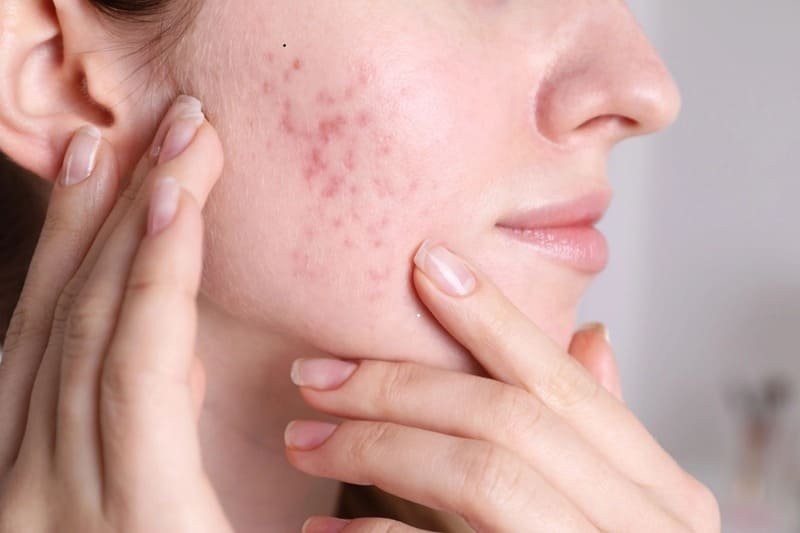
One of the most prevalent skin problems in the monsoon season is acne. Humidity causes excessive oil secretion when combined with sweat and dirt, it clogs the pores and leads to acne breakouts.
Symptoms
- White heads
- Black heads
- Acne bumps
- Acne scars
Treatments Recommended
- Chemical peel
- Carbon laser facial
- HydraFacial
- Medicinal acne treatments
- Prescribed skincare products
How To Prevent Acne?
- Washing your face twice a day
- Using a mild cleanser
- Not touching your face
- Selecting non-comedogenic skincare products.
Monsoon Skin Problem #2. Fungal Skin Infections
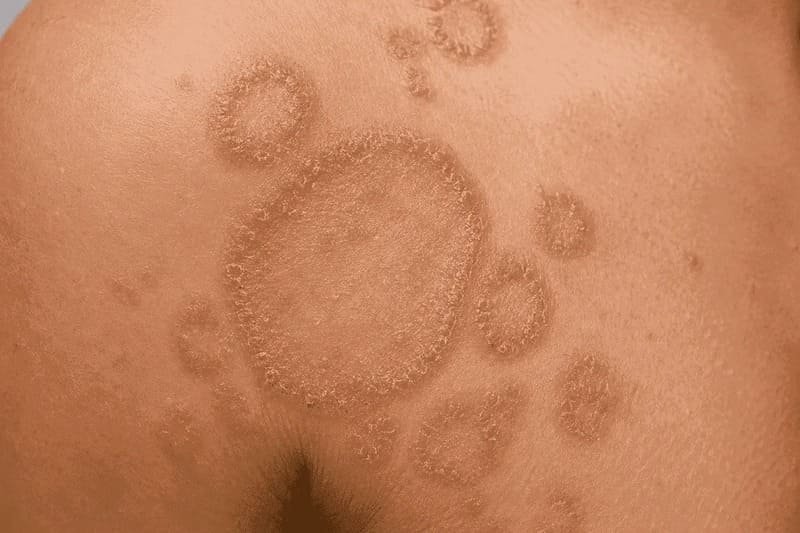
The moist climate of the rainy season promotes the growth of fungi.
Types of Fungi
- Ringworm
- Foot infection
- Yeast infection
Management Options
- Medicines to kill fungi
- Creams prescribed by dermatologists
- Laser treatments
Precautions
- Keep your skin dry
- Use a loose climate of cotton
- Please change out of wet clothes promptly
Monsoon Skin Problem #3. Oily Skin
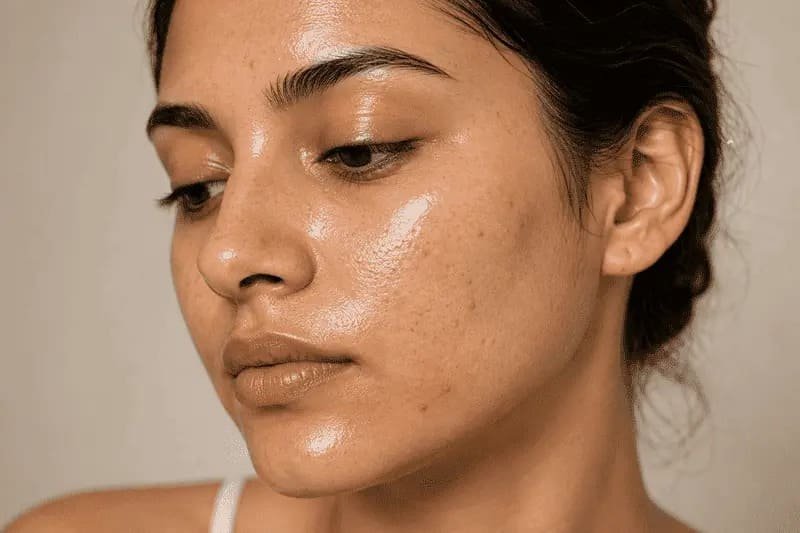
People usually experience oily skin in the rainy season.
Symptoms
- Skin looks oily
- Pores become larger.
- Acne occurs frequently.
- Make-up does not stay long
Remedies
- Chemical peel
- Carbon laser treatment
- Medi-facials suitable for oily skin
Prevention
- Moisturize using oil-free moisturizers
- Regular cleansing is essential
Monsoon Skin Problem #4. Lackluster Skin
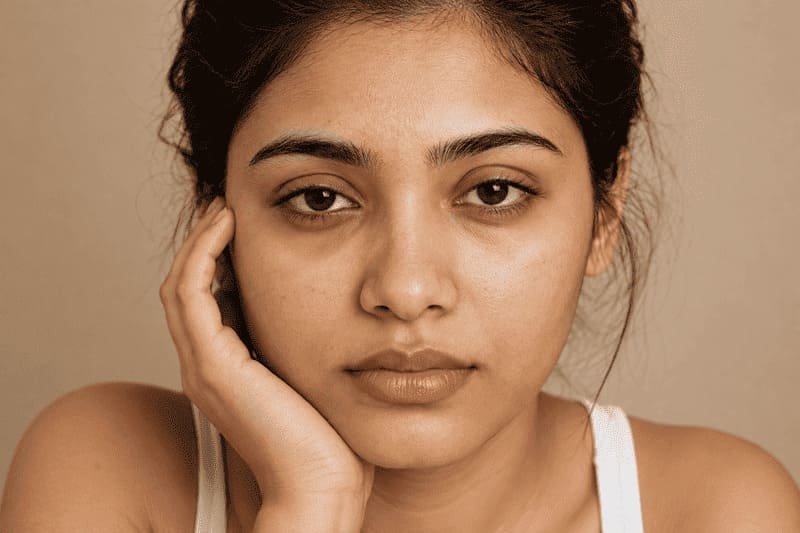
Humidity and pollution can make skin appear dull and lackluster.
Causes
- Accumulation of dead skin cells
- Pollution
- Dehydration
Remedies
- HydraFacial
- MediFacial
- Skin Brightening Treatment
- Vitamin C Treatment
Prevention
- Gentle exfoliation once a week
- Keep your skin hydrated
Monsoon Skin Problem #5. Hyperpigmentation
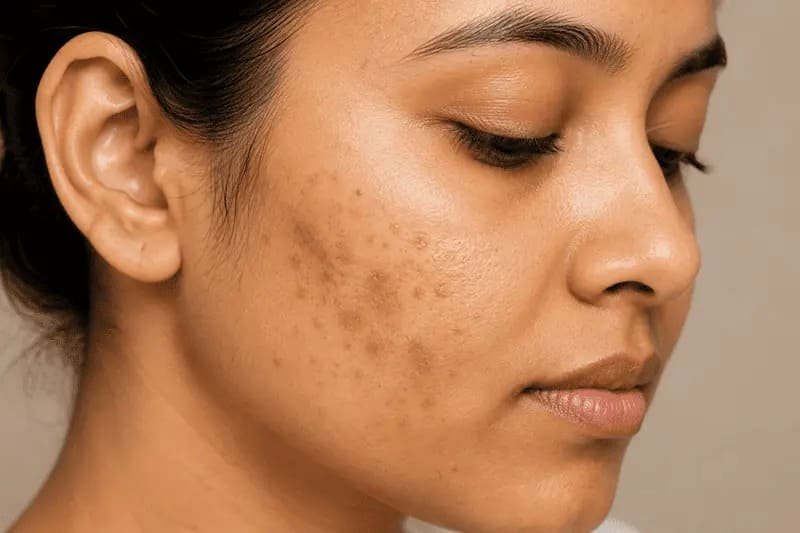
Hyperpigmentation is a common skin condition that causes certain areas of the skin to become darker.
Types of Hyperpigmentation
- Melasma
- Sunspots
- Irregular skin tones
- Acne scars
- Add – PIH
Treatment
- Chemical peel
- PICO laser
- Q-switched laser
- Laser toning
Prevention
- Apply sunscreen with an SPF of 30 or more
- Limit your exposure to sunlight
- Consult a professional dermatologist
Monsoon Skin Problem #6. Dry and Dehydrated Skin
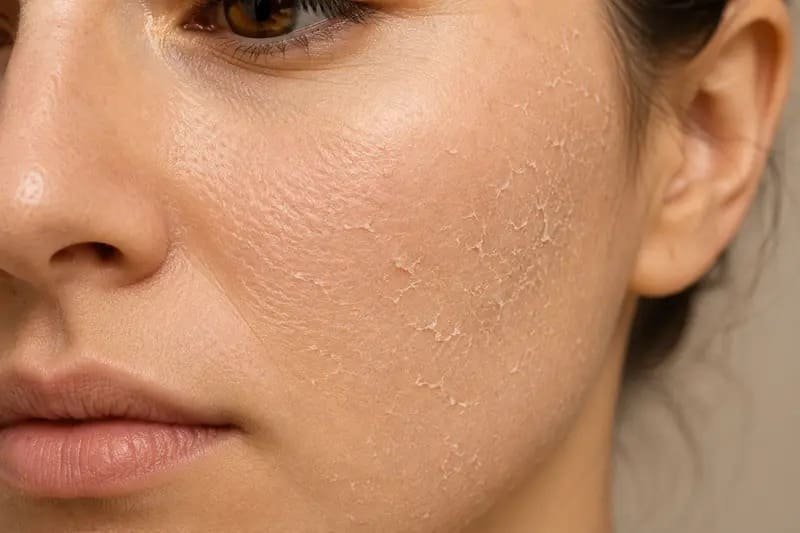
With high levels of humidity, many people face dehydrated skin owing to continuous cleansing and changes in environment.
Symptoms
- Tightness
- Uneven skin texture
- Flaking skin
- Irritation
Treatment
- HydraFacial
- Skin Boosters
- Hydrating Medi facials
Preventive Measures
- Have a lot of water
- Use moisturizers
- Avoid hot showers
Monsoon Skin Problem #7. Large Open Pores
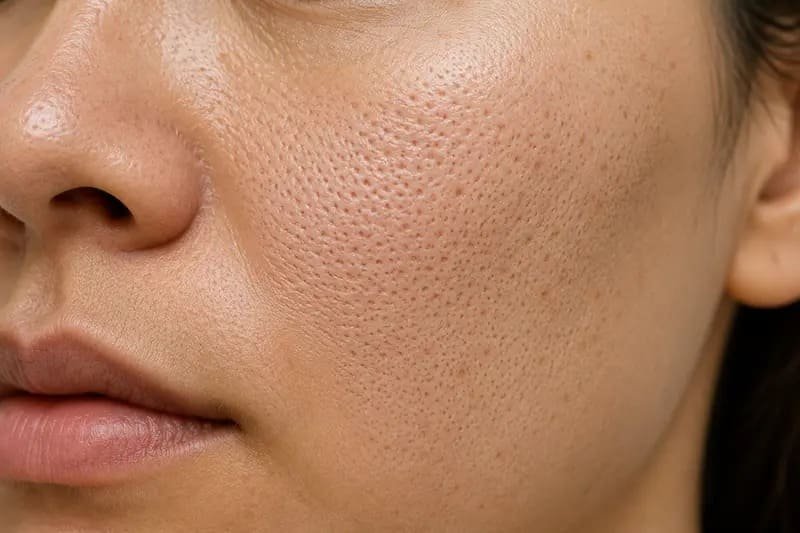
Excessive production of oil during monsoon causes enlarged pores.
Treatment Options
- Carbon Laser Facial
- HydraFacial
- BonT-A
- MNRF Treatment
Prevention
- Clean your pores
- Avoid wearing heavy makeup
- Gently exfoliate your skin
Monsoon Skin Problem #8. Itchy Skin, Allergies & Eczema Flare-Up
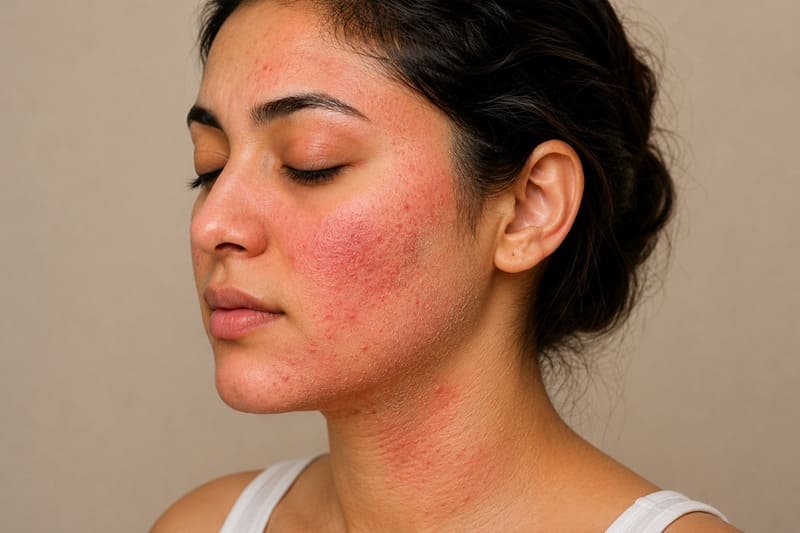
High levels of humidity or allergens cause itches and skin irritations.Individuals suffering from eczema tend to have flare-ups caused by sweat and moisture.
Symptoms
- Redness
- Rashes
- Itching
- Sensitive skin
Treatment Methods
- Anti-inflammatory creams
- Moisturizing lotions
- Medication for allergies
- Consultation with a dermatologist
Prevention
- Use mild soap.
- Wear clean
- Avoid the triggers.
- Go for fragrance-free items.
- Keep your skin hydrated.
Skin Care Tips During Monsoon Season
Here are a few top skin care tips to keep your skin healthy during monsoon season:
- Clean your face twice a day.
- Use a light moisturizing cream.
- Apply sunblock daily, minimum two times a day
- Drink 2-3 liters of water a day.
- Cleanse your skin of make-up before bed.
- Don’t share towels.
- Wear cotton clothes.
Foods To Consume In Monsoon For Healthy Skin
A healthy diet plays an important role in maintaining healthy, glowing skin, especially during the monsoon season. Eating foods rich in vitamins, antioxidants, minerals, and omega-3 fatty acids helps strengthen your skin’s natural barrier, improve hydration, boost collagen production, and protect against seasonal skin problems such as acne, dullness, and infections.
Include these skin-friendly foods in your daily diet:
- Oranges
- Papaya
- Berries
- Spinach
- Tomatoes
- Carrots
- Almonds
- Walnuts
- Green Tea
- Yogurt
- Citrus Fruits
These nutrient-rich foods support healthy skin by improving skin repair, reducing inflammation, enhancing immunity, and protecting against damage caused by free radicals. Combined with a proper monsoon skincare routine, they help keep your skin fresh, radiant, and healthy throughout the rainy season.
When Should You Visit A Dermatologist?
While some monsoon skin problems can be managed with proper skincare, persistent or severe symptoms require professional medical attention. Consulting a dermatologist early can help prevent complications and ensure the right treatment for your skin condition.
You should visit a dermatologist if you experience:
- Persistent acne or frequent acne breakouts
- Recurrent fungal skin infections
- Painful or itchy skin rashes
- Worsening pigmentation or dark spots
- Repeated skin allergies or irritation
- Eczema flare-ups
- Skin infections that do not improve with home care
- Excessive oiliness or clogged pores causing frequent breakouts
At La Clinique, our experienced dermatologists provide personalized treatment plans using advanced procedures such as HydraFacial, Chemical Peel, Carbon Laser Facial, Laser Toning, Skin Boosters, and Pigmentation Treatments to help you achieve healthy, clear, and glowing skin during the monsoon season.
Frequently Asked Questions
1. What are the most common skin problems during the Monsoon?
The most common monsoon skin problems include acne breakouts, monsoon scalp infections, oily skin, dull skin, pigmentation, and itchy skin. Increased humidity, sweat, and bacterial growth during the rainy season can make these conditions worse if proper skincare is not followed.
2. Is it necessary to use sunscreen during the Monsoon?
Yes. Even on cloudy or rainy days, harmful UV rays can penetrate through the clouds and damage your skin. Applying a broad-spectrum SPF 30 or higher sunscreen every day helps protect your skin from tanning, pigmentation, premature ageing, and sun damage.
3. Which Facial Is Best for Monsoon Skin Care?
HydraFacial is one of the best monsoon skincare treatments because it deeply cleanses the skin, removes impurities, hydrates, and restores a healthy glow. Depending on your skin type and concerns, your dermatologist may also recommend MediFacial or Chemical Peel for optimal results.
4. Can Humidity cause Acne during the Monsoon?
Yes. High humidity increases sweat and oil production, which can clog pores and promote bacterial growth, leading to acne scar breakouts. Following a proper monsoon skincare routine and using dermatologist-recommended products and best acne scar treatment can help keep it under control.
5. When should I visit a dermatologist for Monsoon skin problems?
You should consult an expert dermatologist if your skin problems persist, worsen, or do not improve with home care. Conditions such as persistent acne, fungal infections, severe pigmentation, recurring allergies, eczema, or painful rashes may require professional diagnosis and advanced skin treatments to prevent complications.