
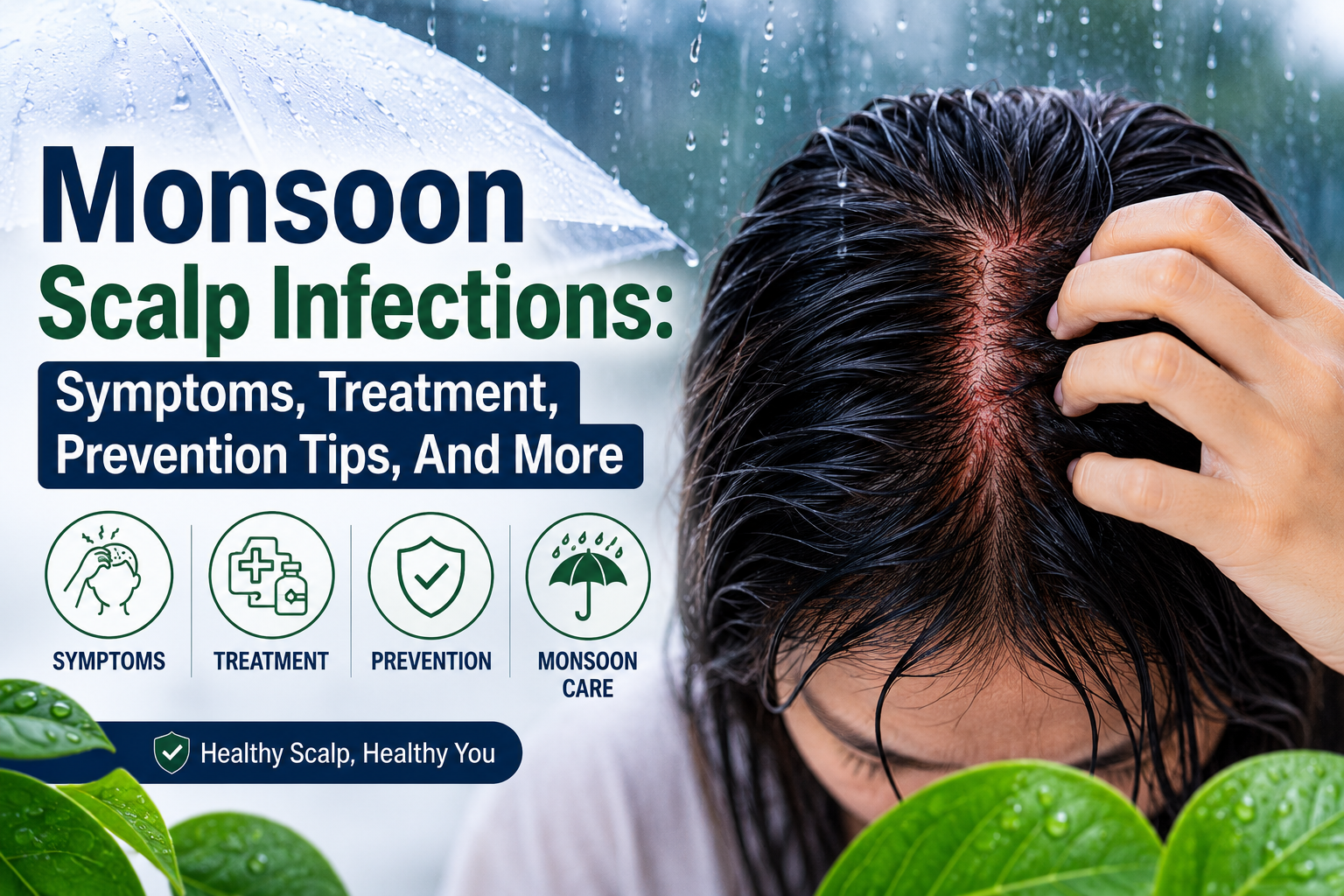
Monsoon marks the end of the intense summer season, bringing much-needed relief from the heat. While the rains rejuvenate the environment, they also create the perfect conditions for bacteria, fungi, and other microorganisms to thrive. As a result, scalp infections during the monsoon become a common concern for many people.
High humidity, excessive sweating, rainwater exposure, and poor scalp hygiene can lead to various scalp problems, including fungal scalp infections, itchy scalp, dandruff, scalp irritation, and even hair fall during monsoon. If left untreated, these conditions can worsen and affect your overall scalp health and hair growth.
Many people ignore the early signs of a scalp infection, assuming the symptoms will disappear once the season changes. However, persistent infections can cause continuous itching, redness, inflammation, flaky skin, pain, and, in severe cases, temporary or permanent hair loss. Seeking timely scalp infection treatment from an expert dermatologist expert dermatologist is essential to prevent complications and restore a healthy scalp.
In this guide, La Clinique Experts explains everything you need to know about the Monsoon scalp infection causes, symptoms, treatment, preventive tips, and the best ways to maintain a healthy scalp during the monsoon season.
Why Are Scalp Infections More Prevalent in Monsoon Season?
The monsoon season provides a conducive environment for the multiplication of microorganisms. Reasons for scalp infections in monsoon include:
- Higher humidity level leads to increased moisture on the scalp.
- Mixing sweat with dirt and oil.
- Pollution in rain water.
- Hair gets wet for prolonged periods of time.
- Lack of sunshine helps fungi grow.
- Excessive sweating causes blockage in hair follicles.
- Sharing hair accessories like comb, towel, or helmet can lead to infections.
Types of Scalp Infections in Monsoon Season
1. Fungal Scalp Infection
One of the common types of infections found during monsoon season is fungal scalp infection. This condition is caused by fungi which belong to the dermatophyte group.
The symptoms of this condition are:
- Circular patches
- Scaly skin
- Intense itchiness
- Breakage of hair
- Hair fall
- Skin reddening
- In case of extreme cases, swollen lymph nodes
It affects children but can also occur in adults.
2. Seborrheic Dermatitis
Seborrheic dermatitis leads to dandruff as well as irritation. High humidity levels trigger this problem. Signs of Seborrheic Dermatitis are as follows:
- Whitish or yellow scales
- Oily scalp
- Itching continuously
- Red lesions
- Feeling of burning
Although it is not communicable, it needs to be treated properly.
3. Folliculitis
Folliculitis is an infection that affects the hair follicles caused by bacteria or fungus. Characterized by:
- Red bumps
- Pimples with pus
- Inflammation on the scalp
- Tender skin
- Itchiness
4. Bacterial Scalp Infection
This infection happens when bacteria invade the scalp via cuts. The signs of bacterial scalp infection include:
- Painful boils
- Swelling
- Warming of the skin
- Yellowish discharge
- Crusting of the skin
5. Scalp Psoriasis Outbreaks
Though psoriasis is an autoimmune disorder, outbreaks can be triggered by monsoon season. Symptoms of scalp psoriasis outbreak are as follows:
- Scales
- Reddish patches
- Dryness of skin
- Itching
- Temporary hair fall
Early Signs of Scalp Infection
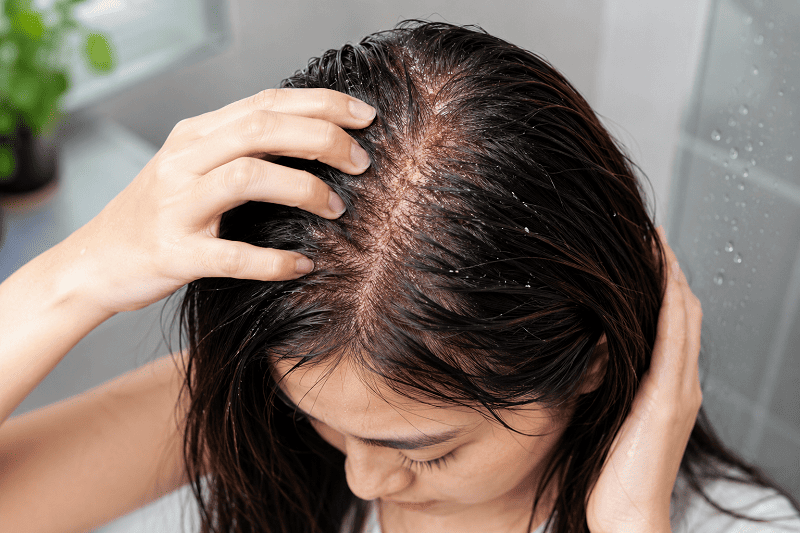
It becomes very important to know about the signs early to avoid any complications. Look for:
- Persisting Itching
- Excess Dandruff
- Scalp Redness
- Scalp Pain
- Hair Fall
- Pus Production
- Bad Smell
- Dry Circular Patches
Causes of Fungal Skin Infections During Monsoon
There are several factors that cause fungal skin infections, which make you susceptible.
Keeping Hair Wet
Keeping hair wet for prolonged periods promotes fungal infection.
Lack of Cleanliness
Inadequate cleaning leads to buildup of sweat, dirt, and oil.
Excessive Perspiration
Perspiration causes moisture formation which facilitates microbial development.
Sharing Personal Items
Do not share:
- Combs
- Hairbrushes
- Towels
- Helmets
- Pillowcases
Oily Scalp
Oil serves as food for fungi.
Weakened Immune System
Diabetics and people with weakened immune systems are more vulnerable.
Pollutants
Rain water which is polluted by pollutants causes irritation in the scalp.
Who Is More Vulnerable to Scalp Infection?
Some people have more vulnerability towards scalp infection. This includes:
- Children
- People with oily scalp
- People with overproduction of sweat
- Athletes
- People wearing helmet regularly
- Diabetics
- Patients with weak immune system
- People with skin disorder
Diagnosing Scalp Infections
In order to diagnose scalp infections, dermatologists do the following tests:
Clinical Exam
Visually identifying many infections.
Dermatoscopy
Magnification is needed to examine hair follicles.
Fungal Cultures
Test used to detect fungal organisms.
Skin Scrapping
Testing under microscope to detect fungi.
Bacterial Cultures
Test which is helpful to treat recurrent infections.
Effective Treatment For Scalp Infections
The treatment is based upon the underlying cause.
1. Antifungal Medicines
To treat the fungal infection, doctors prescribe:
- Antifungal pills
- Antifungal creams
- Antifungal shampoo
Some common antifungals are:
- Ketoconazole
- Ciclopirox
- Selenium Sulfide
- Zinc Pyrith
2. Antibiotics
Bacterial infection needs:
- Oral antibiotics
- Antibiotic lotions applied to the affected area
Take the full treatment course.
3. Anti-Inflammatory Drugs
Anti-inflammatory skin creams assist in reducing:
- Inflammation
- Swelling
- Irritation
They must be taken only under doctor’s guidance.
4. Medicated Shampoos
Regular use will assist in controlling:
- Dandruff
- Fungi
- Oily scalp
Your dermatologist might suggest you use them 2-3 times per week.
5. Scalp Hygiene
- Hygiene measures assist in healing.
- Hair must be washed using a gentle shampoo.
- The scalp should be dried well after washing it.
Homecare Measures During Treatment
Take following homecare measures during treatment helps:
- Keep your scalp clean.
- Dry your hair well.
- Do not scratch.
- Clean your pillow covers often.
- Clean your comb once a week.
- Do not oil your infected scalp.
- Drink plenty of water.
- Have a healthy diet.
Nutrition is good for immunity so include these food in your diet:
Proteins
- Eggs
- Fish
- Legumes
- Paneer
Vitamin C
- Oranges
- Lemons
- Guavas
- Kiwi fruits
Zinc
- Pumpkin seeds
- Nuts
- Chickpeas
Omega-3 Fatty Acids
- Salmon
- Walnuts
- Flax seeds
Iron
- Spinach
- Dates
- Legumes
Monsoon Hair Care Routines
- Maintaining a healthy routine will prevent infections.
- Shampoo Your Hair 2 -3 Times a Week
- Ensure Complete Drying of Your Hair
- Shampoo With Gentle Shampoos Only
- Reduce Using Hair Styling Products
- Clean All Hair Accessories
- Change Pillow Covers Often
- Avoid Wearing Tight Headwear
When Do You Need to Consult a Dermatologist?
You need to consult a best dermatologist if your scalp infection have:
- Intense itching
- Hair fall in patches
- Boils that cause pain
- Pus filled lesions
- Scalp infection
- Dandruff
The symptoms last for more than 2 weeks.
Conclusion
Scalp infections during monsoon are among the most common hair and scalp concerns. Maintaining proper scalp hygiene, drying your hair thoroughly after getting wet, avoiding the sharing of personal hair care items, and following a healthy hair care routine can significantly reduce the risk of scalp infections. If you experience persistent itching, redness, flakes, pain, or excessive hair loss, seeking timely scalp infection treatment from an experienced dermatologist near you is essential.
Frequently Asked Questions
1. Does rainwater cause scalp infections during monsoon?
Rainwater itself does not directly cause scalp infections during monsoon. However, prolonged exposure to rainwater, pollution, dirt, and excess moisture can create the perfect environment for bacteria and fungi to grow, increasing the risk of fungal scalp infections, an itchy scalp, and other scalp problems.
2. Is dandruff a scalp infection?
No, dandruff is not always a scalp infection. However, it is often associated with the overgrowth of a fungus called Malassezia, especially in humid weather. If dandruff is severe or persistent, consult a dermatologist for the right dandruff treatment and scalp infection treatment.
3. How long does it take to recover from a fungal scalp infection?
With the right fungal scalp infection treatment, most people recover within 4–8 weeks. Recovery time may vary depending on the severity of the infection and how early scalp infection treatment is started.
4. Can a scalp infection spread from one person to another?
Yes. Certain fungal scalp infections are contagious and can spread through direct contact or by sharing combs, towels, pillows, hats, or other personal hair care items. Maintaining good scalp hygiene helps reduce the risk of infection.
5. Should I apply hair oil if I have a scalp infection?
It is generally recommended to avoid applying hair oil during an active scalp infection, as it may worsen certain fungal conditions. Use hair oil only if it is specifically recommended by your dermatologist as part of your scalp infection treatment.